
Safety
Is Sarajevo Safe for Tourists in 2026? The Honest Answer
By Atlas Admin · June 30, 2026
Is Sarajevo Safe for Tourists in 2026?
Yes. Here's the honest, specific version of that answer, including the one countryside rule worth actually knowing.
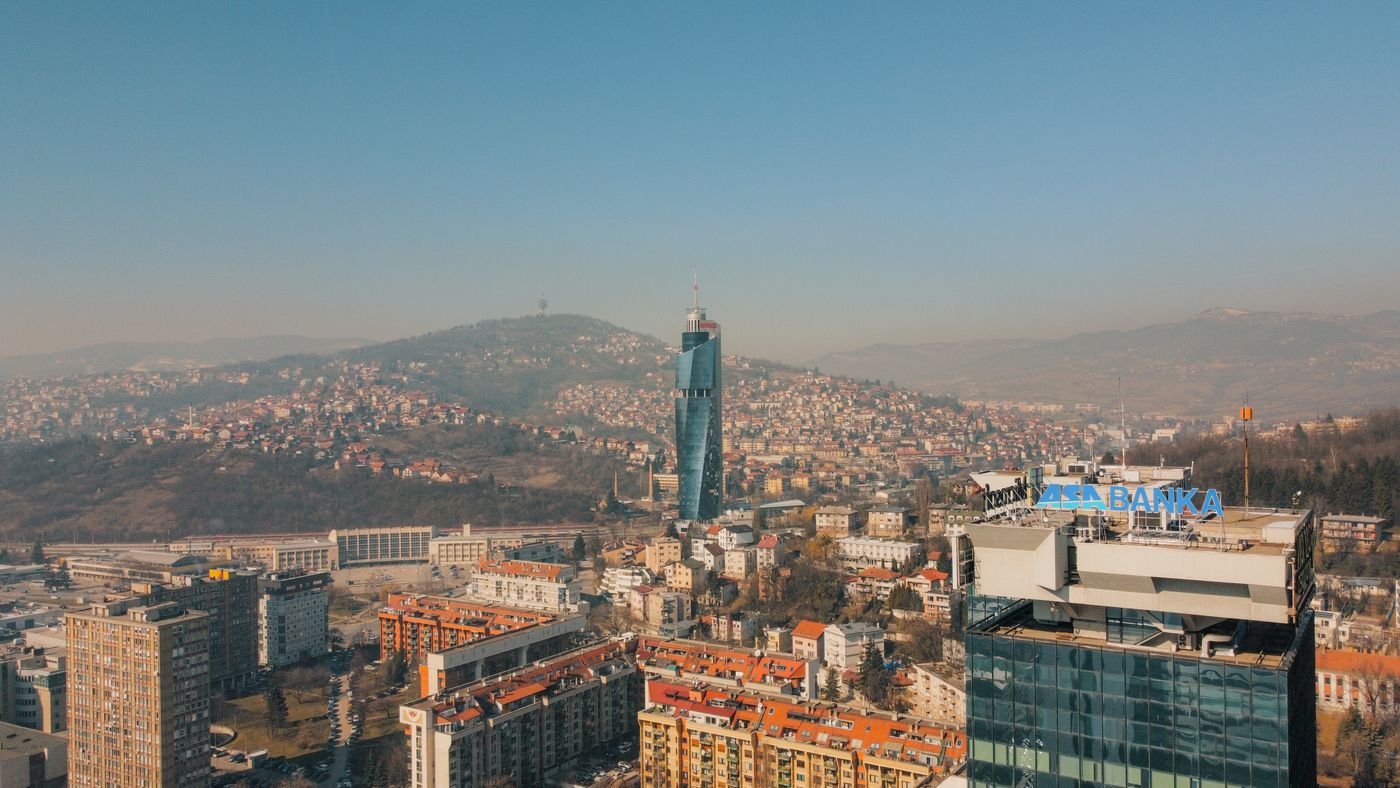
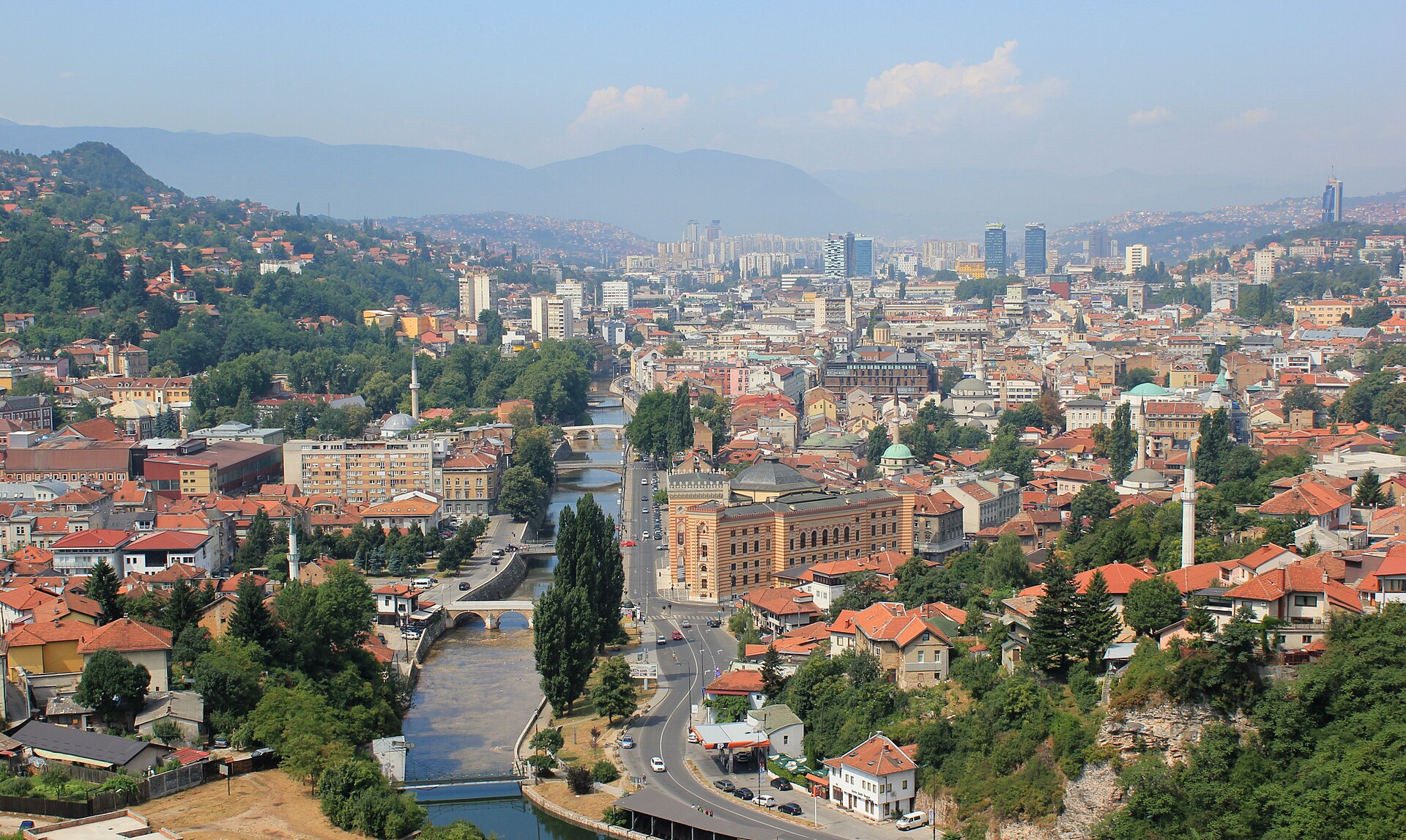
Yes. Sarajevo is a safe, welcoming city, and violent crime against tourists is rare. Like any capital it has the occasional pickpocket in busy areas, but most visitors are struck instead by how genuinely warm and helpful people are. The one real piece of countryside caution worth knowing is landmines left over from the 1990s war, and even that is far more manageable, and far better documented, than most articles about it let on.
Quick facts: Sarajevo and Bosnia safety
- US State Dept rating
- Level 2, Exercise Increased Caution, same tier as France, the UK and Germany
- Violent crime vs tourists
- Rare
- Most common issue
- Pickpocketing in crowded areas and on trams
- Land still mine-affected
- About 820 km², 1.6% of the country, and shrinking every year
- Mostar's urban area
- Declared mine-impact free in November 2023
- Police
- 122
- Ambulance
- 124
- Fire
- 123
- EU-style emergency number
- 112 also works nationwide
Crime: what to actually watch for
Sarajevo's crime rate is low by European capital standards, and what does happen to tourists is overwhelmingly petty rather than violent: a bag left unzipped on a crowded tram, a wallet in a back pocket in Baščaršija at peak season. Keep valuables in a front pocket or zipped bag in crowded tourist areas and you've addressed most of the actual risk.
The one specific, practical tip worth knowing: Sarajevo Airport's taxi rank has a reputation locally for overcharging arriving tourists. Pre-booking a transfer or using a metered city taxi ordered by phone or app avoids it entirely, and it's a five-minute fix for what's otherwise the most commonly reported annoyance visitors run into.
Landmines: the one real countryside risk, in proportion
This is the part every article mentions and almost none explains properly. Bosnia and Herzegovina still has an estimated 820 square kilometers of mine-suspected land, about 1.6% of the country, a legacy of the 1992 to 1995 war. That figure is down from over 4,180 square kilometers originally, clearance work by BHMAC (the Bosnia and Herzegovina Mine Action Centre) and international partners has cleared roughly three quarters of the original contamination, and it continues every year. Mostar's entire urban area was declared mine-impact free in November 2023 with US support, a genuinely significant milestone worth knowing about if older warnings are what's making you nervous.
None of this affects the places tourists actually go. Contaminated areas are rural, overwhelmingly former front-line zones in remote hills and forests, not cities, not marked hiking trails, not anywhere near Sarajevo's Old Town or Mostar's bridge. The rule that matters is simple:
- Stay on paved roads and marked trails in the countryside. This alone addresses the risk almost entirely.
- Don't enter abandoned buildings or overgrown fields outside towns, especially in former front-line regions like parts of eastern Bosnia and the hills above Mostar and Konjic.
- If you see a red warning sign, skull and crossbones, often with the word "MINE" or the Bosnian "PAZI" (meaning caution), do not go past it, photograph it if you like, but treat the marked boundary as absolute.
- If you're hiking or driving off well-established routes, BHMAC publishes an official Mine Suspected Areas app showing current cleared and uncleared zones, worth having installed rather than guessing.
Illustration: BosniaAtlas, a general guide only, not a reproduction of an official sign. Statistics per BHMAC via Sarajevo Times, July 2025.
The war is visible here, but it's history, not danger
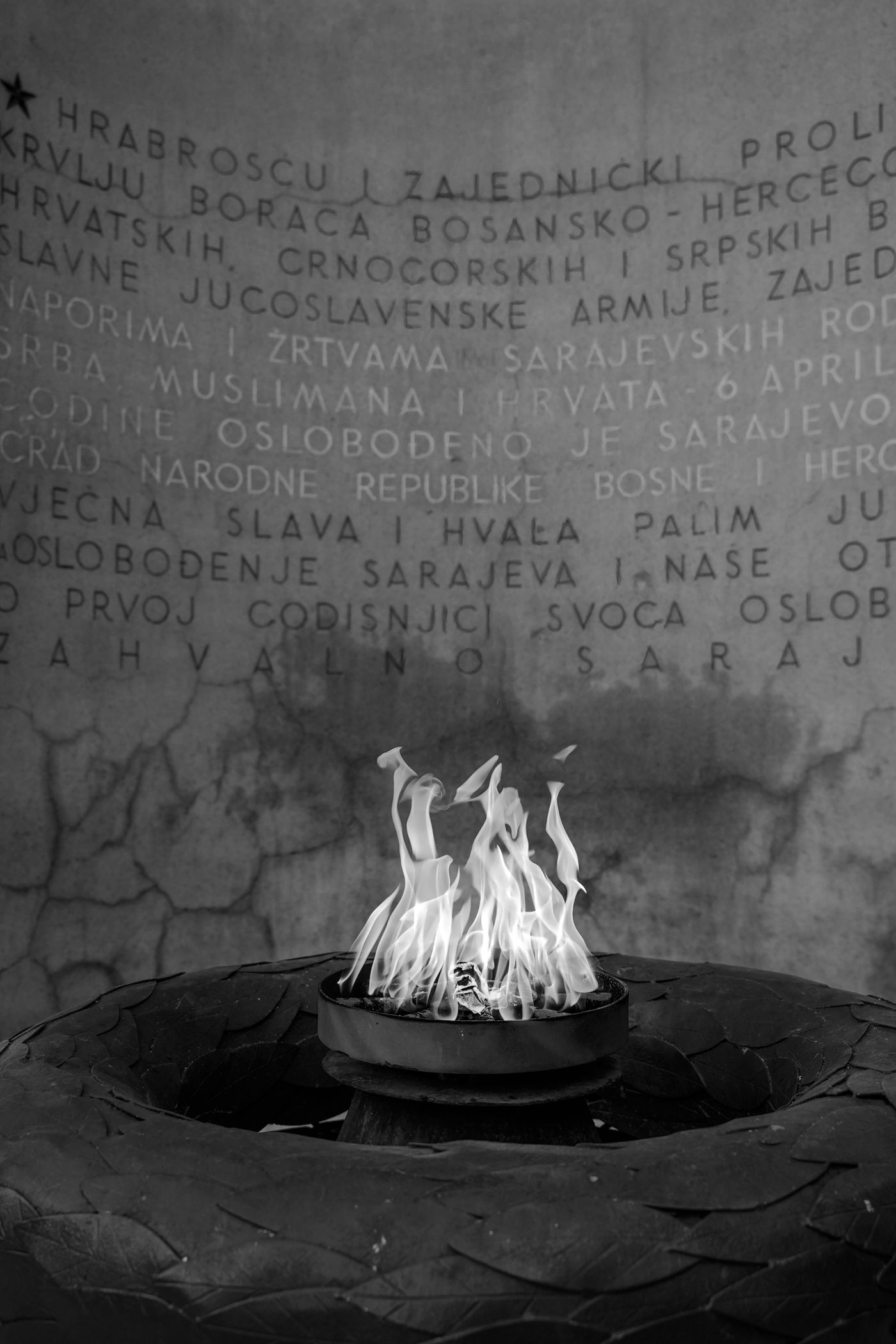
You'll see reminders of the 1992 to 1996 siege everywhere in Sarajevo: bullet-pocked facades, the red-resin "Sarajevo Roses" set into pavement where shells killed people, the Tunnel of Hope museum built around the actual wartime supply tunnel. None of this represents ongoing risk, it's memory, deliberately preserved, and walking past it is part of what makes visiting Sarajevo genuinely moving rather than just pleasant. Our full history guide covers the siege and its context if you want the background before you go.
Solo travelers and women
Solo travelers, including women, generally find Sarajevo relaxed and easy. It's a compact, walkable capital with a genuine culture of hospitality, and public spaces in the center stay busy and well-lit well into the evening. Use the same common sense you'd use in any capital city: stick to central, populated streets late at night, keep an eye on your drink in bars, and use official or app-based taxis rather than hailing unmarked cars. Beyond that, most solo visitors report feeling comfortable within a day of arriving.
Practical safety basics
| Question | Short answer |
|---|---|
| Is tap water safe? | Yes, in Sarajevo and other major cities |
| Is nighttime walking safe in the center? | Yes, in populated, well-lit areas; use normal caution |
| Are taxis safe? | Yes, prefer metered or app-based over airport rank pickups |
| Do I need travel insurance? | Yes, Bosnia is not in the EU, so EHIC cards don't apply |
| Should I worry about landmines in the city? | No, contamination is rural, not urban |
Frequently asked questions
Is Sarajevo safe to visit right now?
Yes. The US State Department rates Bosnia and Herzegovina Level 2, Exercise Increased Caution, the same tier as France, the UK and Germany. Violent crime against tourists is rare.
Are there still landmines in Bosnia?
Yes, an estimated 820 km² remains mine-suspected, about 1.6% of the country, almost entirely rural former front-line areas. Staying on paved roads and marked trails avoids the risk.
Is Sarajevo safe for solo female travelers?
Generally yes. Solo women commonly describe Sarajevo as relaxed and easy to navigate, with normal city precautions being sufficient.
Is Mostar safe from landmines?
Mostar's urban area was officially declared mine-impact free in November 2023. Rural areas outside the city still warrant the standard stay-on-the-path rule.
What is the biggest safety issue tourists actually face in Sarajevo?
Petty theft, such as pickpocketing in crowded areas, and being overcharged by unofficial taxis at the airport. Both are easily avoided with normal precautions.
Is it safe to walk in Sarajevo at night?
Yes, in the central, populated areas. Use the same judgment you would in any capital city and stick to well-lit, busy streets after dark.